Recently, the weather in Kunming has been quite chilly, with a high temperature of only 15 degrees Celsius, completely lacking the vibe of a “spring city.” In the morning, I checked the weather forecast and saw that Xishuangbanna, which I had been longing to visit but hadn’t gotten around to, had a high of 27 degrees—warm like summer. So, on a whim, I decided to take the intercity train to Xishuangbanna before noon. The journey took three and a half hours, and along the way, I seemed to hear broadcasts in the Dai language, which gave me a taste of the local ethnic culture.
After passing Pu’er, the scenery outside the window began to change, and the warmth hit me like a wave. Lush tea plantations appeared on both sides, and the air seemed to be filled with the fragrance of tea. Upon arriving at Xishuangbanna Railway Station, the heat hit me immediately. After shedding two layers of clothing and just wearing a short-sleeve shirt, I finally felt comfortable. I took a taxi to Gaozhuangxishuangjing and passed over the Xishuangbanna Bridge on the Lancang River. The river’s other name—Mekong—immediately evoked thoughts of Southeast Asian border cultures and adventures, making it feel like crossing a bridge into another world.


Once settled in, I stepped out to find that every street and alley was filled with local character. Statues of elephant gods, the Peacock Tower, goddess-shaped street lamps, tree-wrapped pagodas, and the row of giant war elephant statues in front of the Golden Stupa Temple—all these details showcased the unique charm of Dai culture.


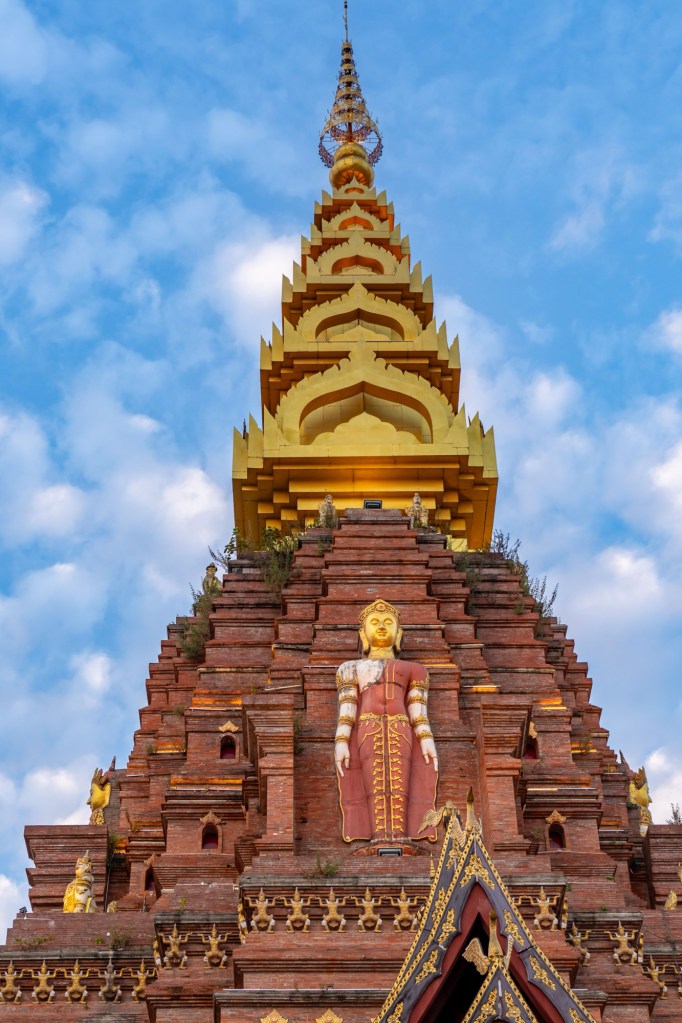
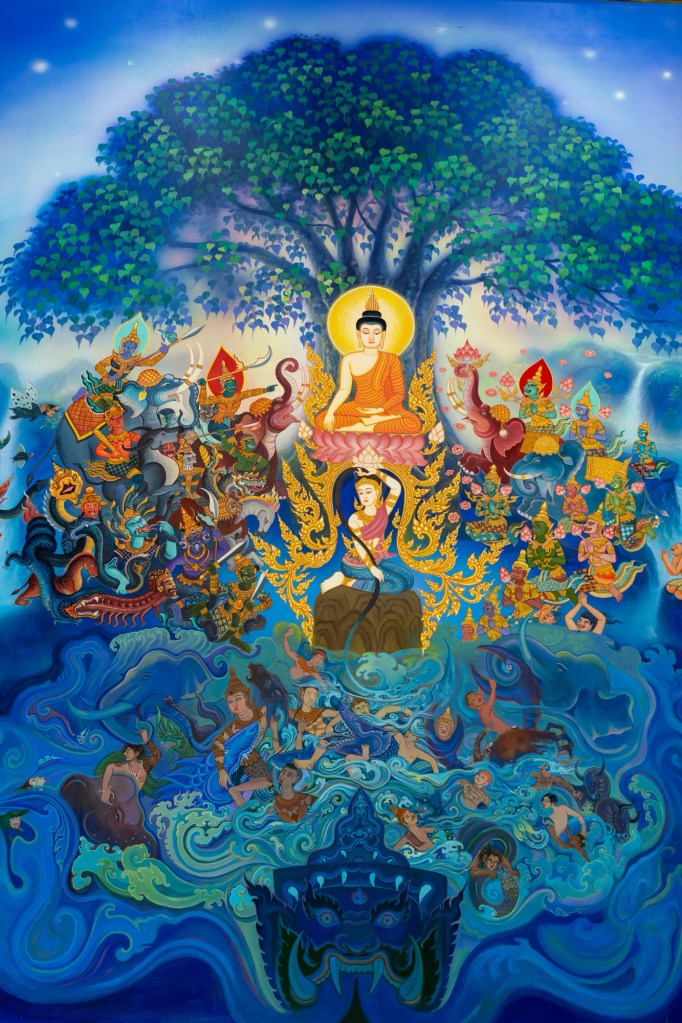
It was already four or five in the afternoon, and the weather was clear. The main entrance to the Dajinta Temple, also known as Great Golden Pagoda Temple, was under renovation, so I had to enter through the side door. Indeed, it was a typical Southern Buddhist temple, resembling the Great Buddha Temple in Thailand almost exactly. Taking advantage of the good light before sunset, I snapped a few photos outside the temple, with the warm yellow sunlight casting a majestic and dreamlike glow on the golden stupa. As the sun began to set, I paid 40 yuan for incense money to enter the temple. Although the temple wasn’t large, the interior was quite exquisite, with vividly colored murals depicting the Buddha’s life, showcasing artistic flair. I was particularly impressed by the fact that in Southern Buddhism, instead of burning incense, water is offered—environmentally friendly and tranquil.


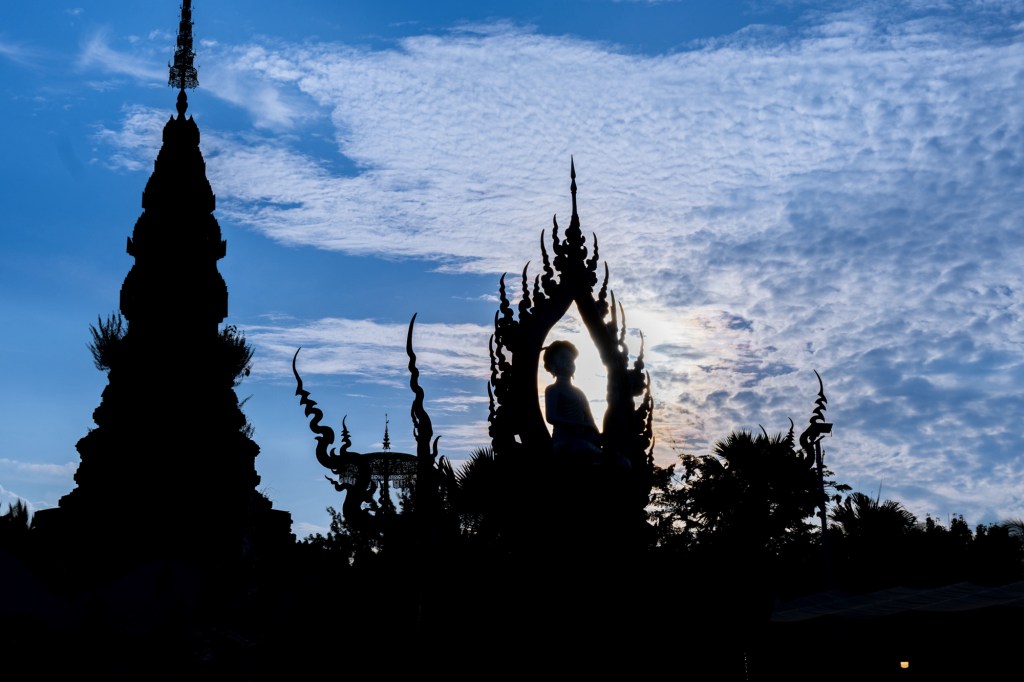
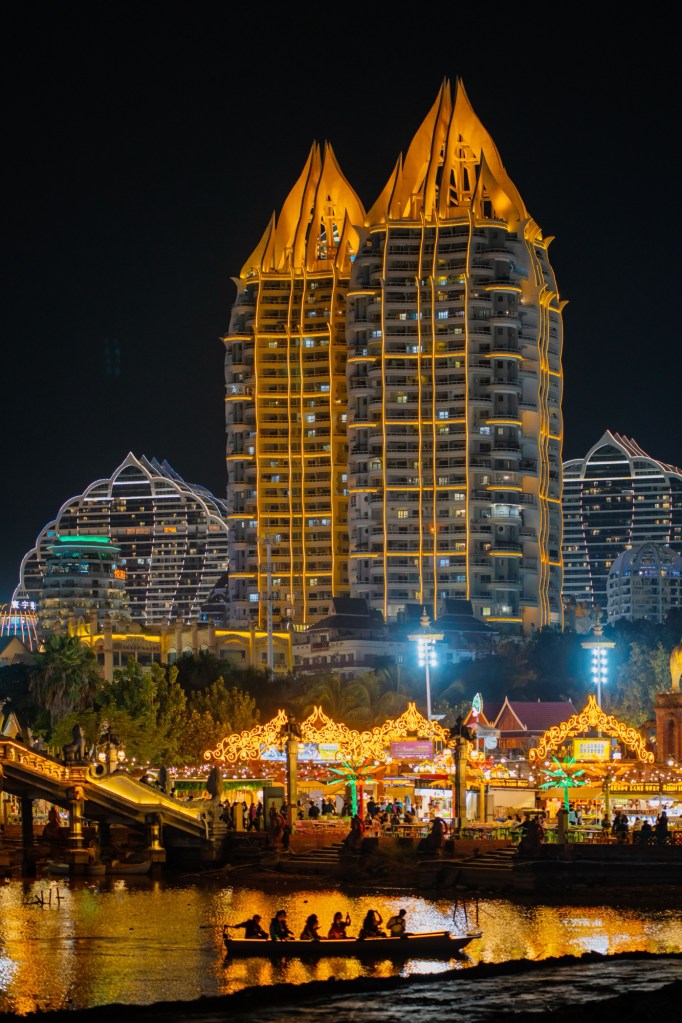
As I exited the stupa, I was greeted by a stunning view of the layered clouds overhead, resembling tiles spread out across the sky. Standing on the platform behind the temple, I gazed westward at the sky ignited by colorful clouds, with the sunset growing ever more vibrant, while the starlight night market below began to light up. This scene exceeded my expectations, making the incense money feel well spent.
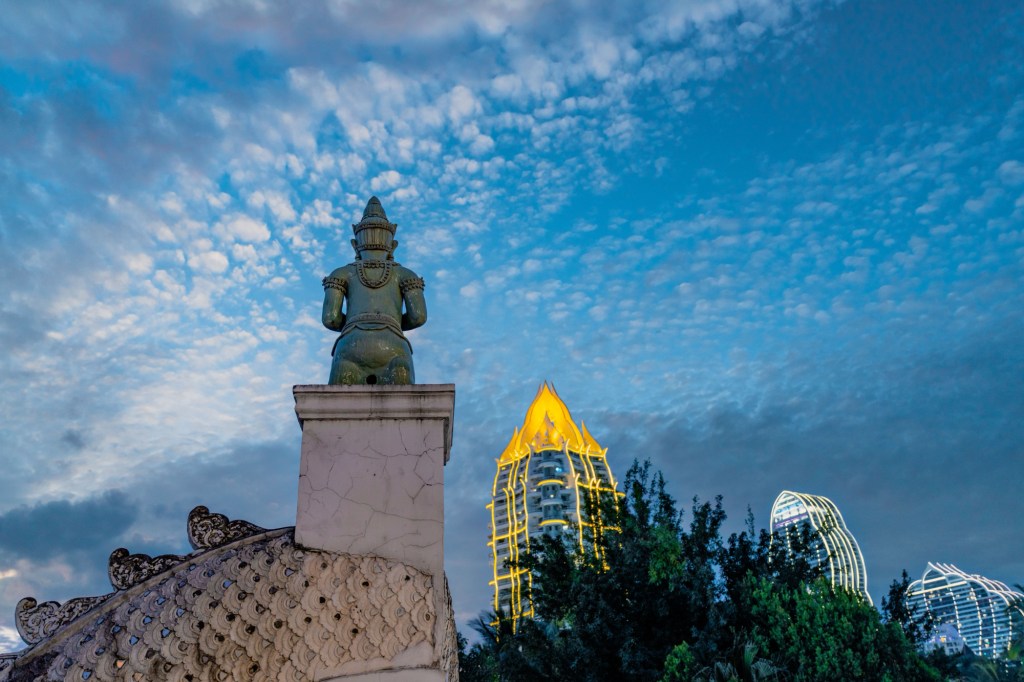
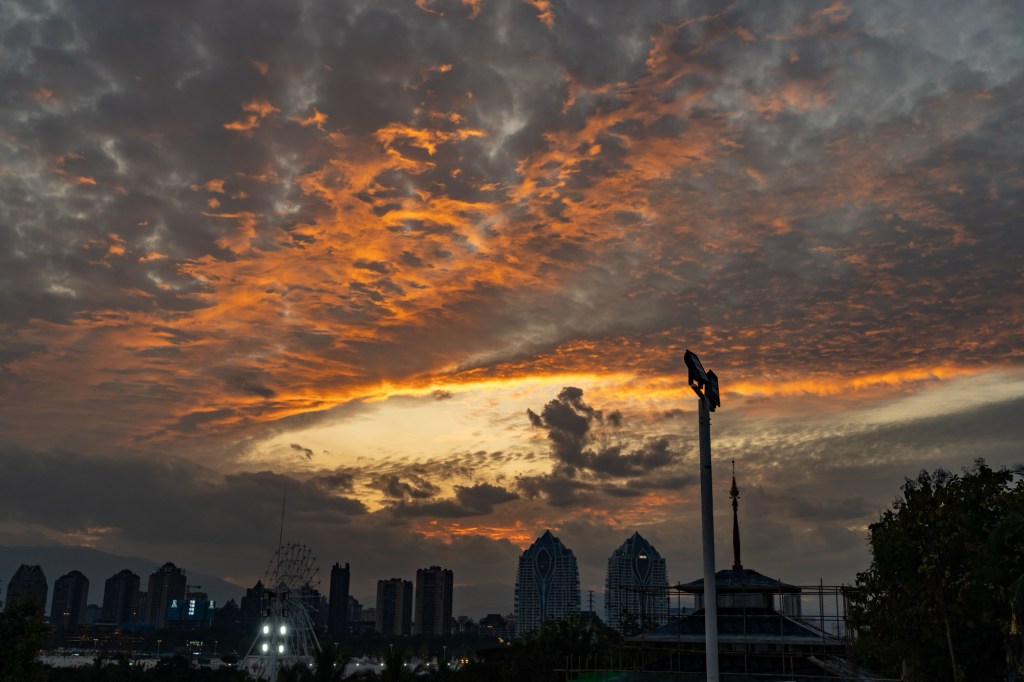


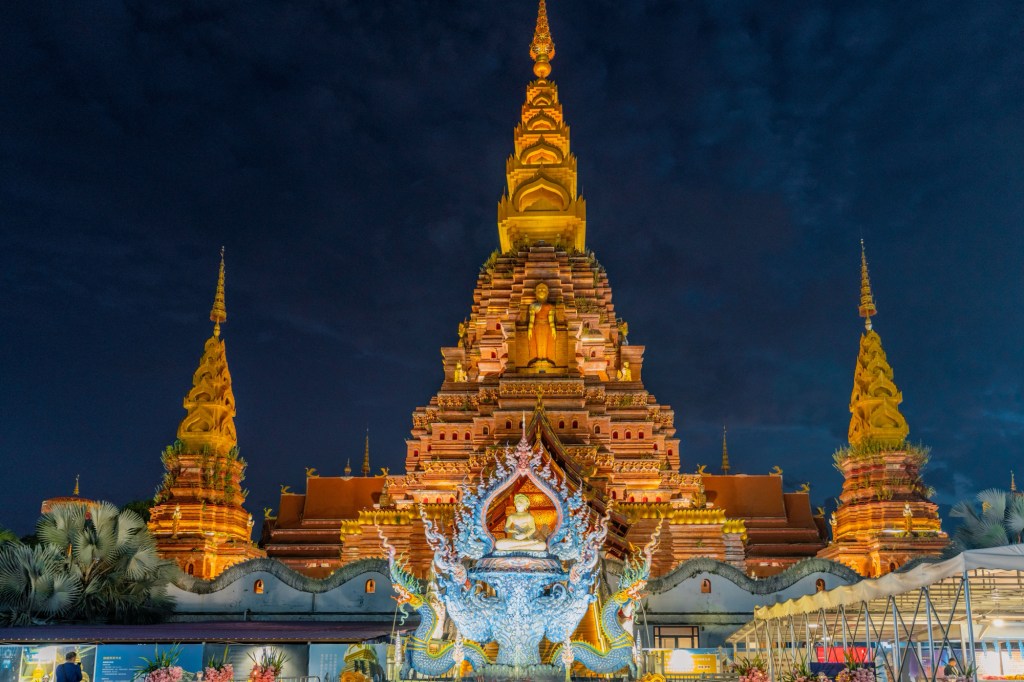
Entering the Starlight Night Market, I noticed there was a flow control at the entrance, but there weren’t too many people. The night market was still under renovation, much like the temple. Although it claims to be the largest night market in Asia, it mainly sells local snacks and small goods, similar to other night markets. However, the atmosphere was quite unique, with tourists dressed in ethnic minority costumes taking photos everywhere. Every few steps, you could see princesses and queens, with every corner showcasing a scene from a travel photo shoot celebrating ethnic culture.
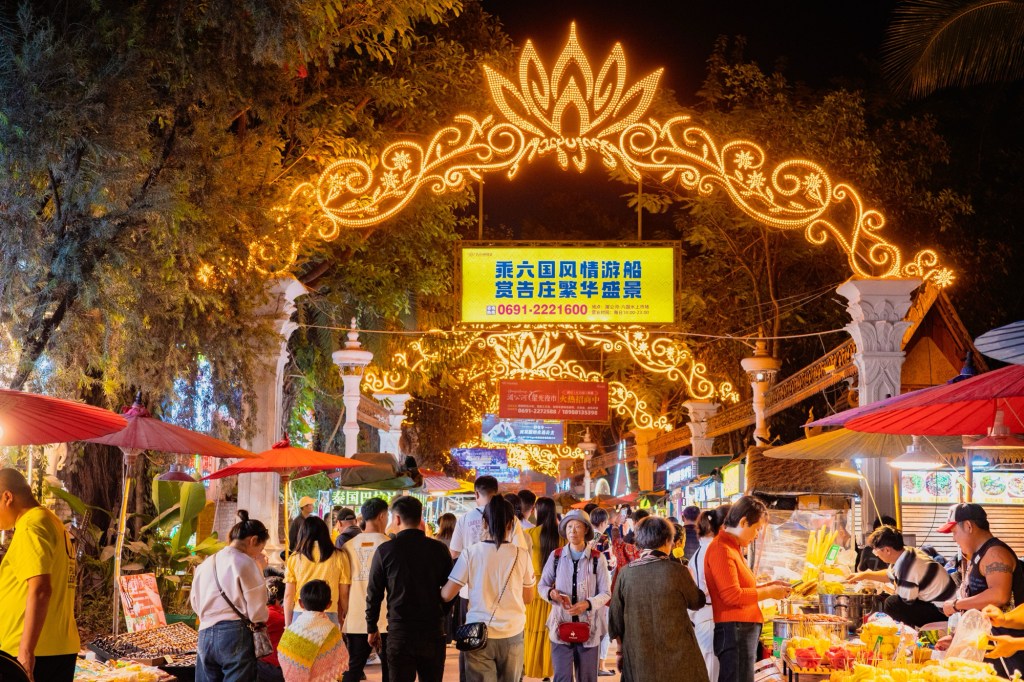

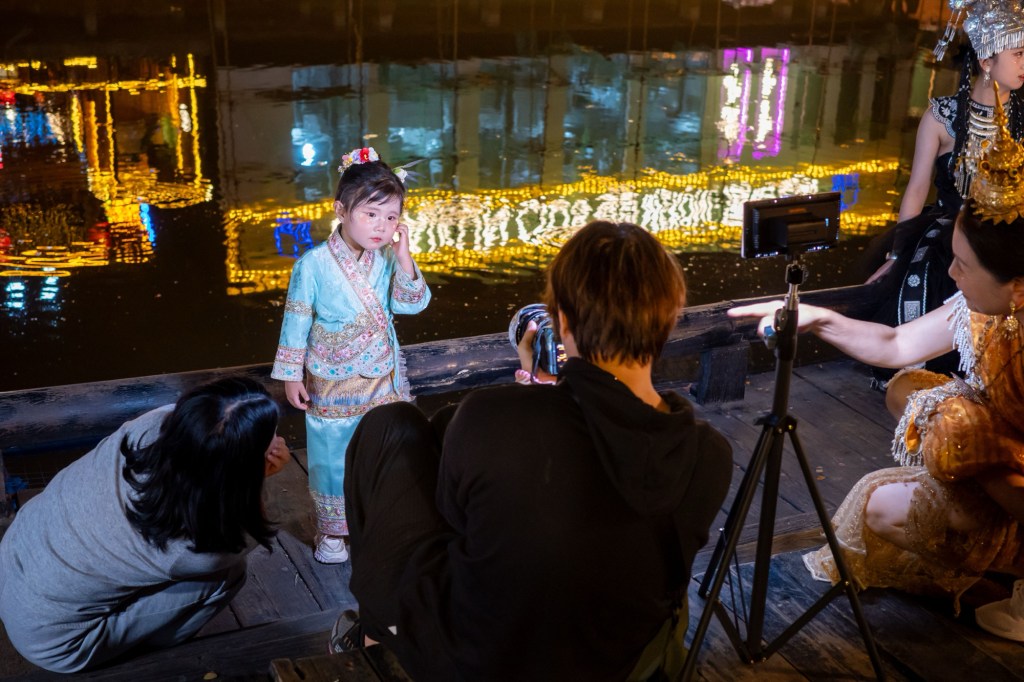
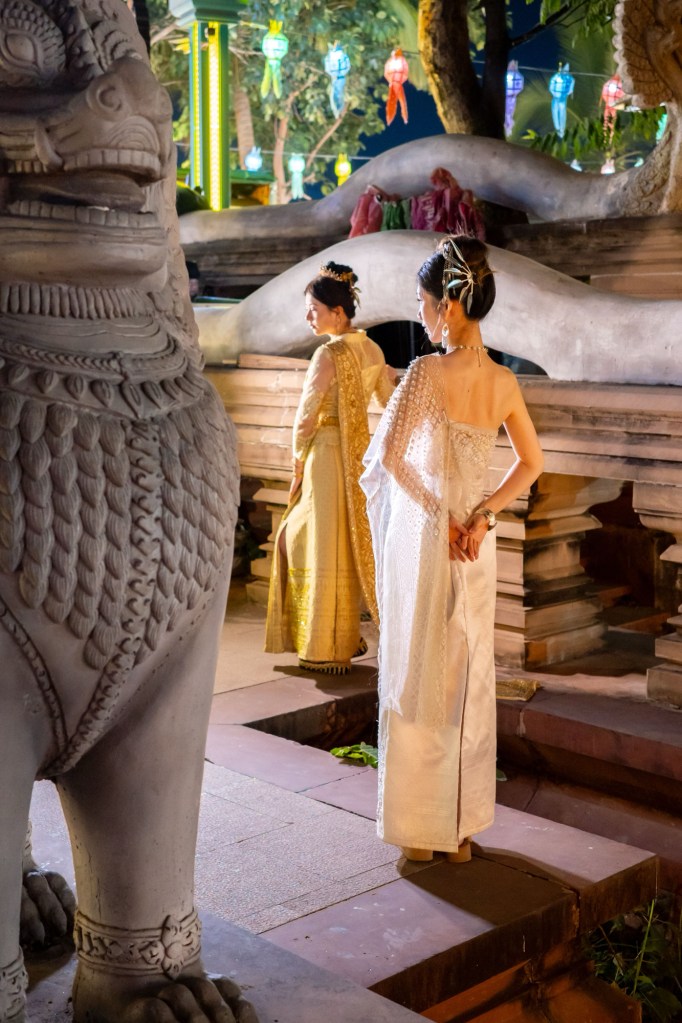

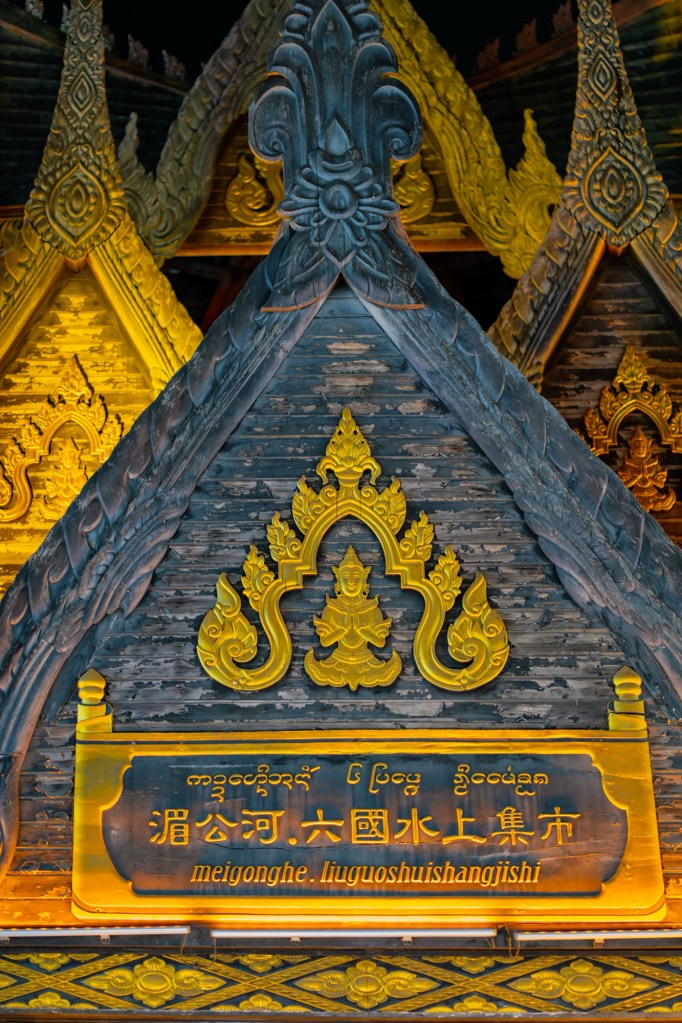
Next to the night market, the Six Kingdoms Water Market was also still under renovation. I didn’t take a boat ride, so I don’t know if it resembles the water markets in Thailand. However, the Ganbai street next to the night market was surprisingly quiet, contrasting sharply with the lively market. The small bars and pubs here exuded an artistic vibe, with soft lighting and soothing music, creating a different rhythm for the night in Xishuangbanna.


 行之有思 Shawn’s Travel Diary