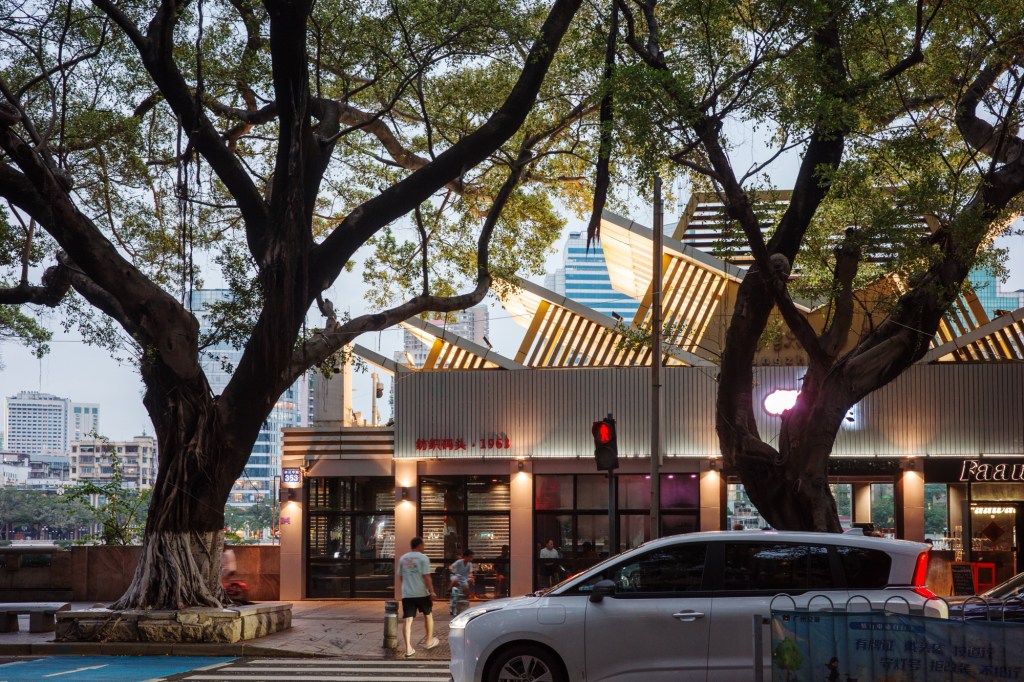
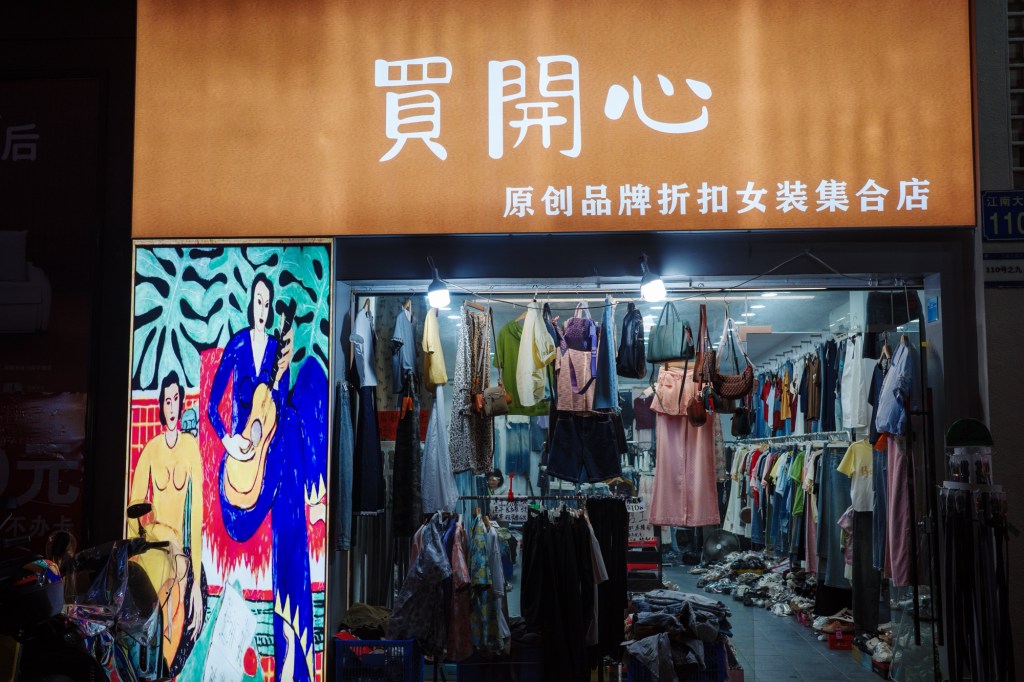
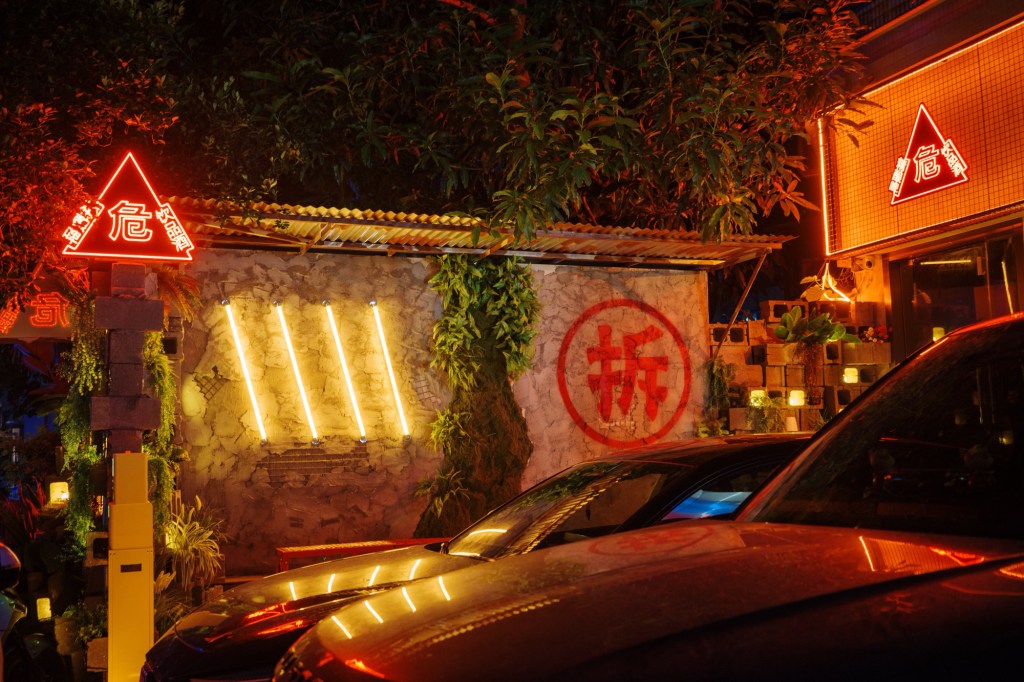
Drawn by Ingress, I stumbled upon an anime-themed creative hub next to the Textile Park. Creative parks transformed from old factories are commonplace nowadays, but this one felt perhaps a bit too compact. It read more like a miniature experimental lab, growing quietly in a forgotten corner of the city.
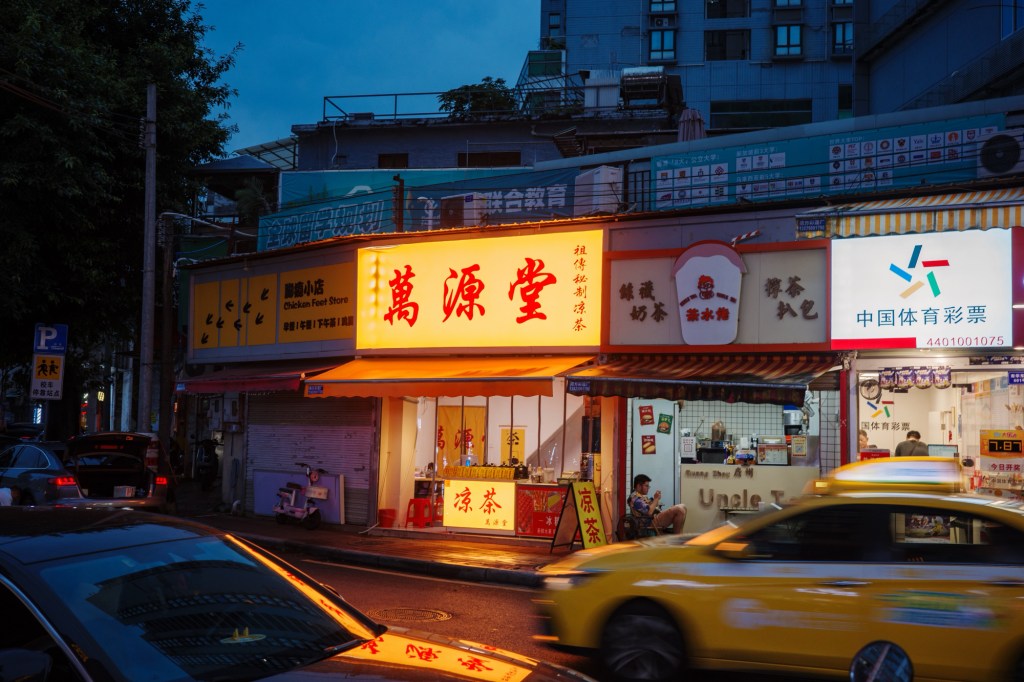
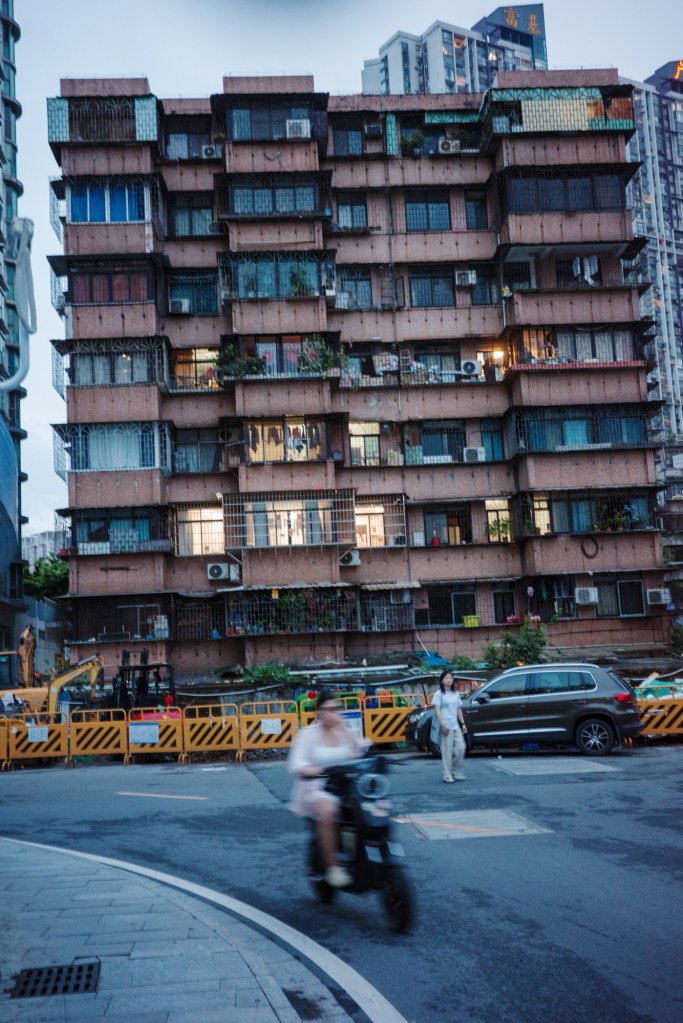
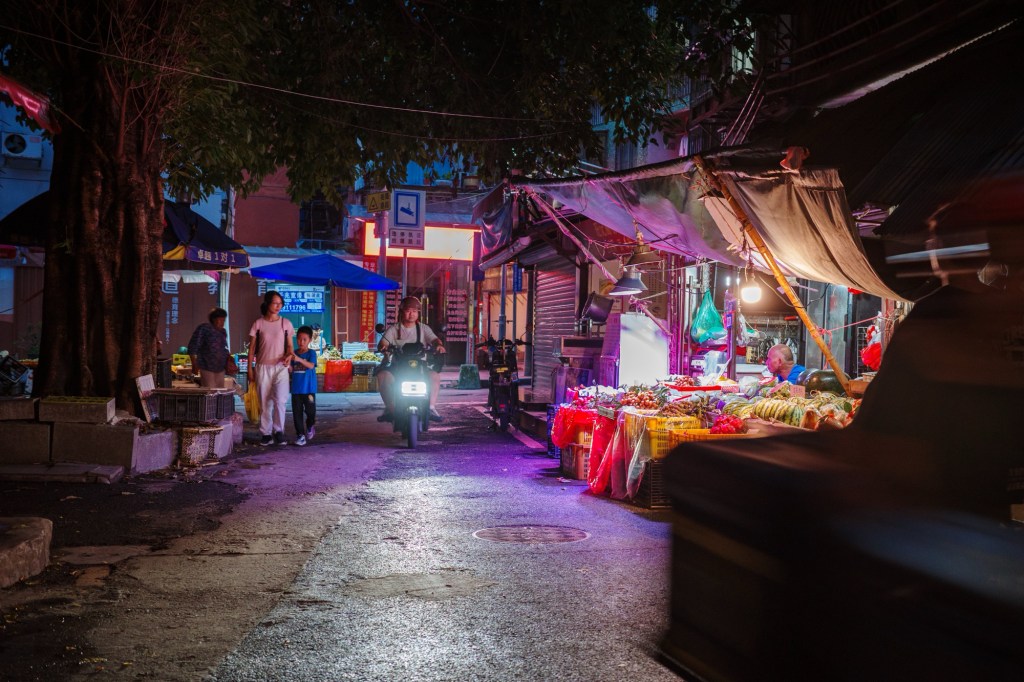
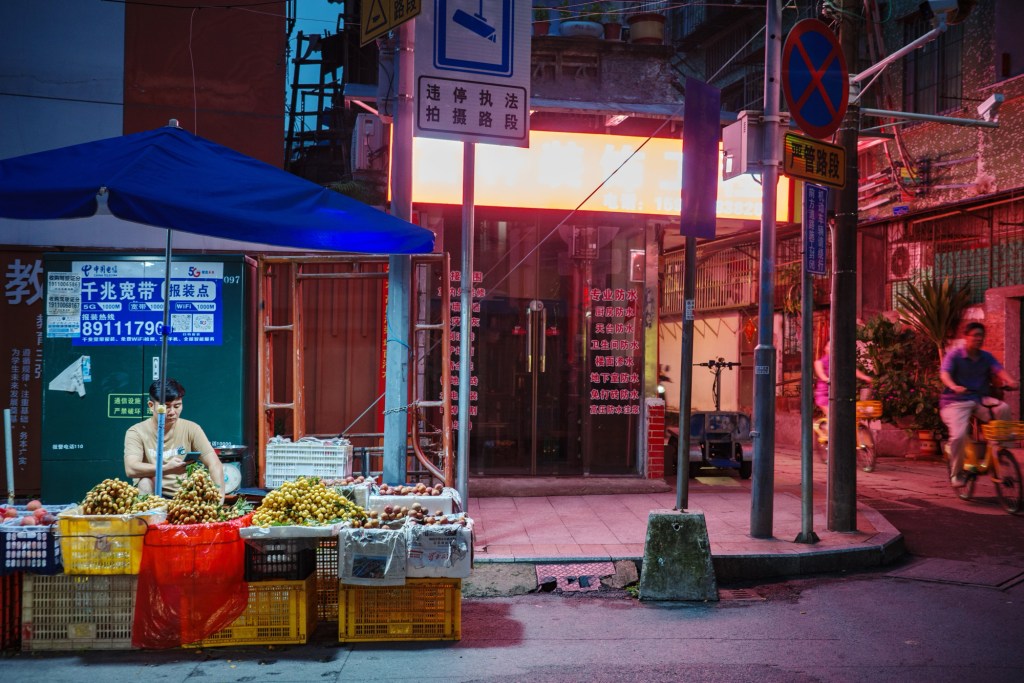
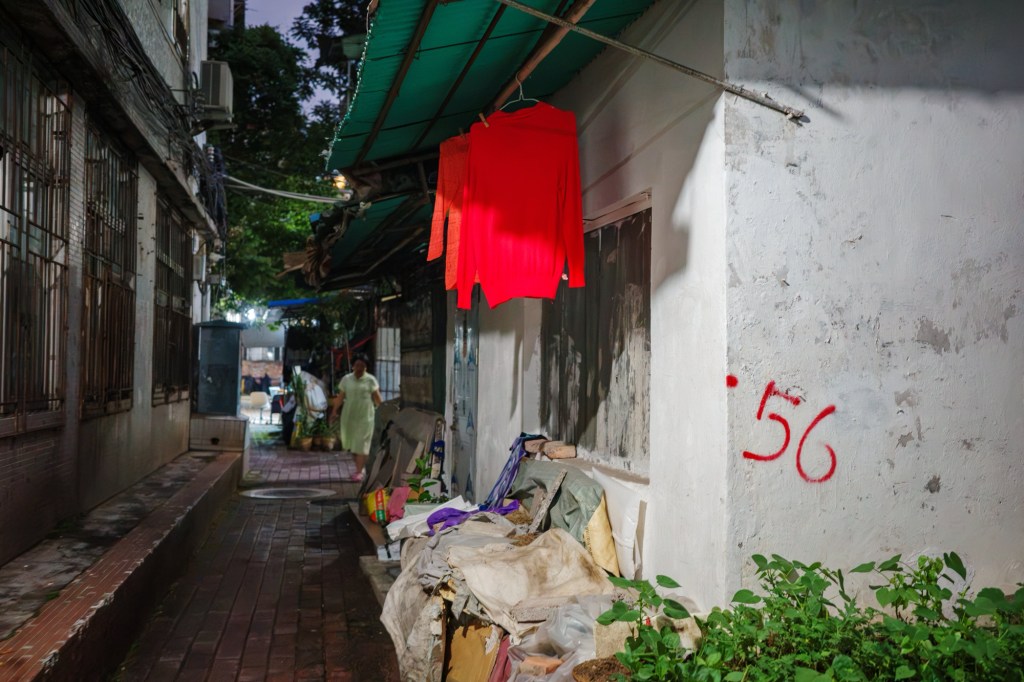
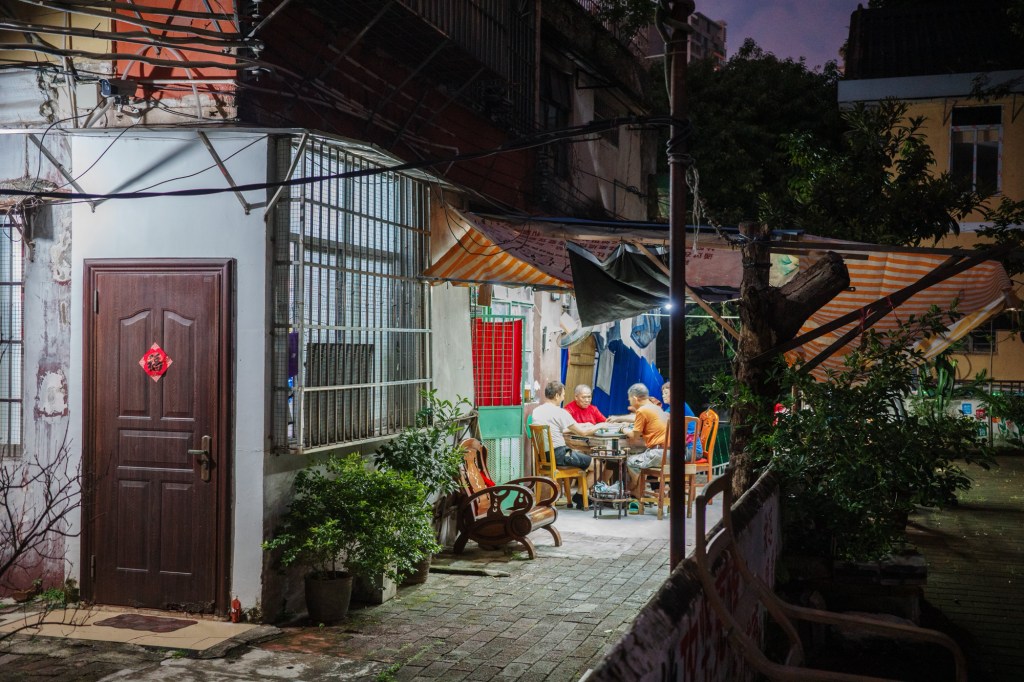
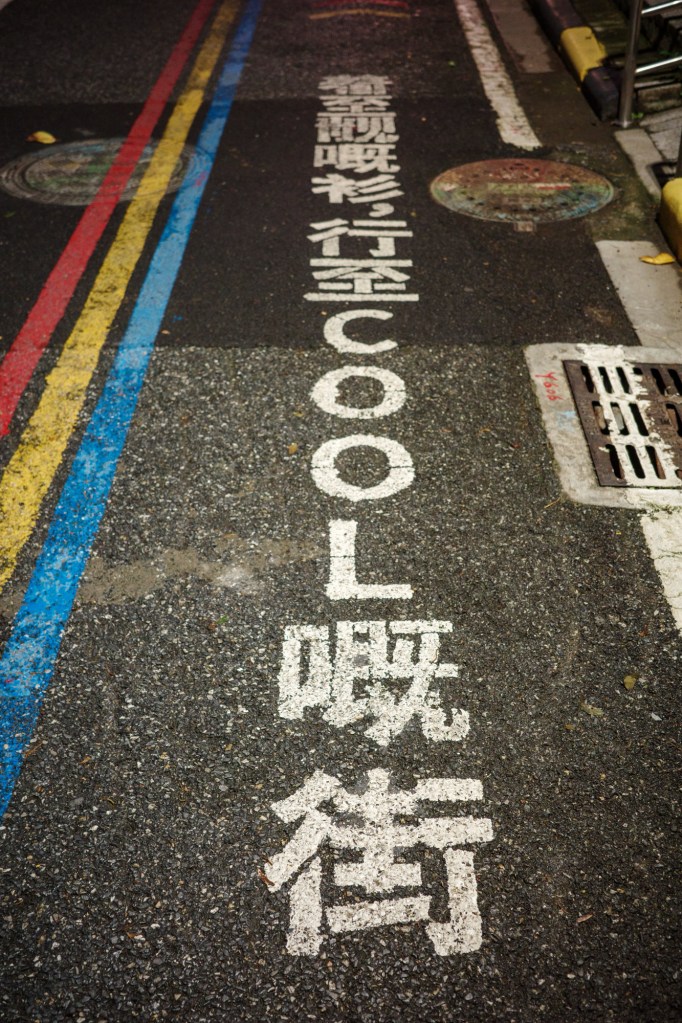
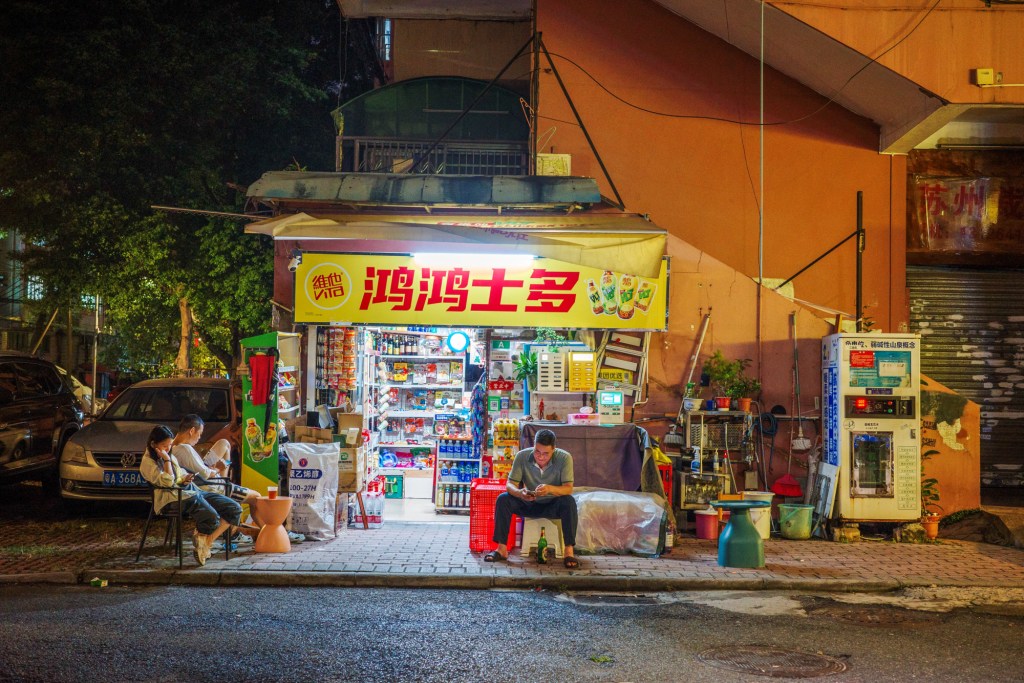
Leaving the old textile mill behind, I strolled along the riverbank as a gentle breeze brushed against my face. As dusk settled, I turned off into the Jili Village area, where the scene transformed abruptly. This was a textbook urban village yet to be gentrified – crammed buildings, a maze of overhead wiring, and narrow alleyways, awkwardly yet authentically preserving the raw, coarse texture of the city’s grain.
Yet merely a few paces away, the adjacent Wanguo Outlets presented a world apart. Bathed in brilliant lights and teeming with crowds, the mall drew plenty of foreign shoppers laden with shopping bags – making its name, “Wanguo” (All Nations), feel entirely earned.
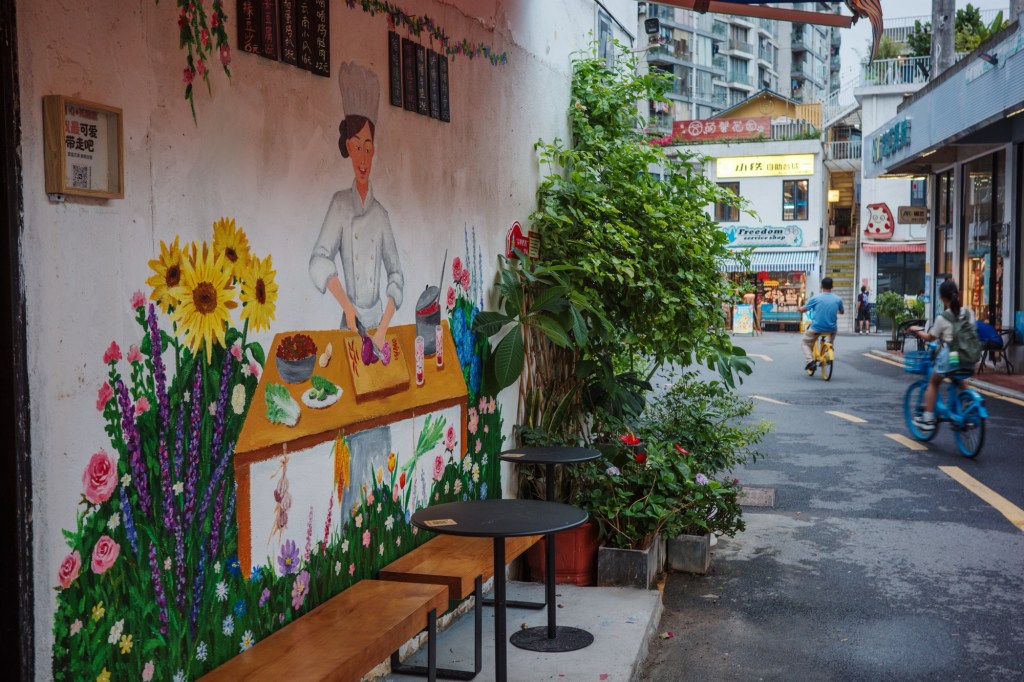
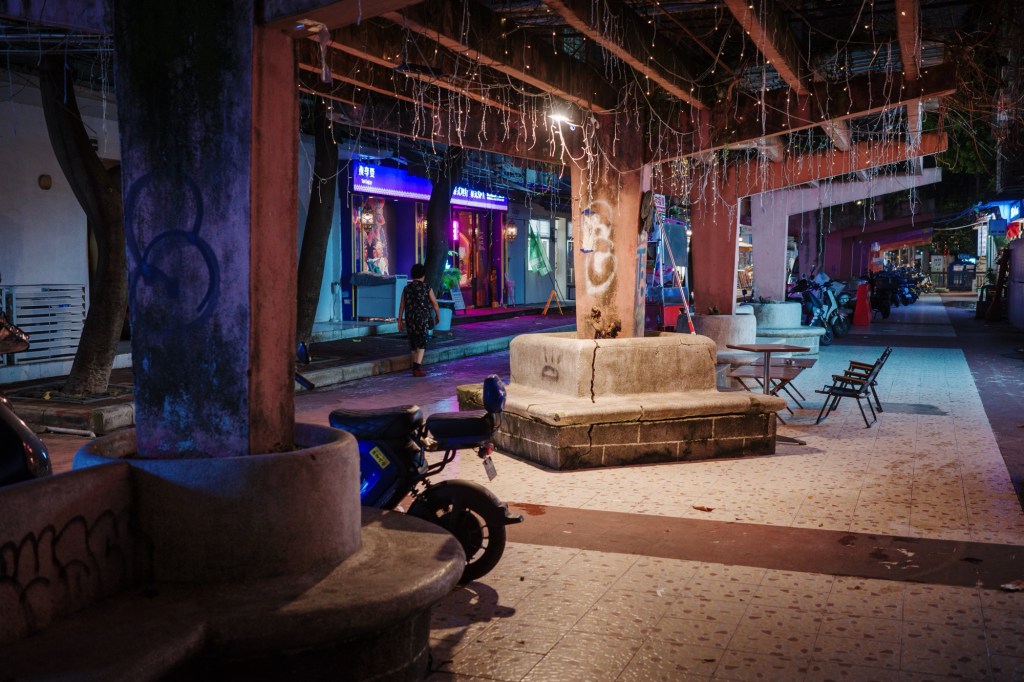
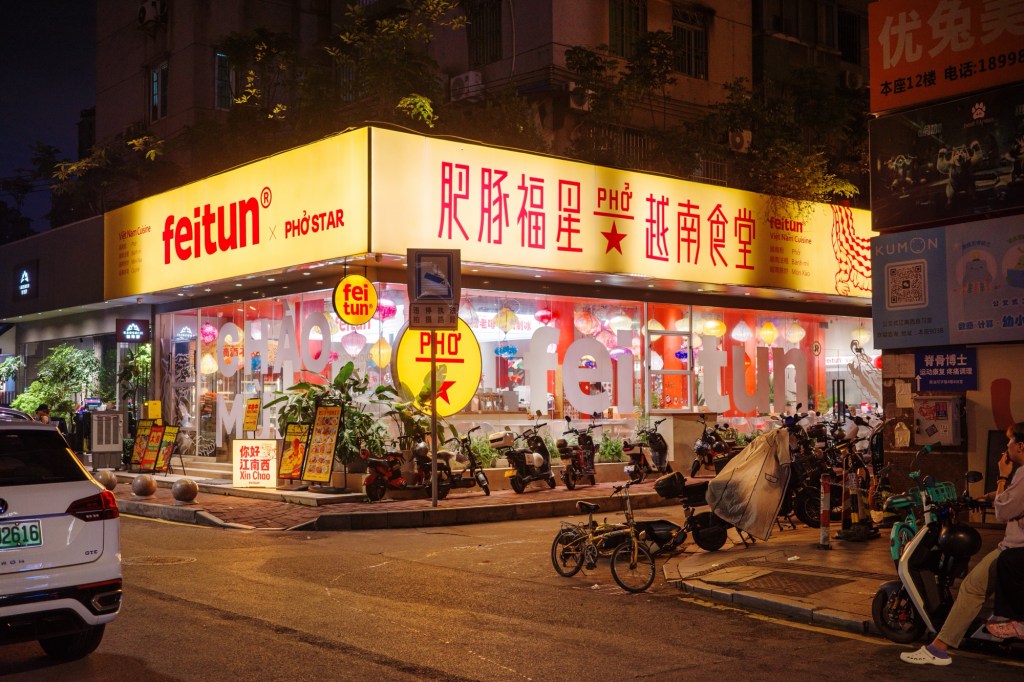
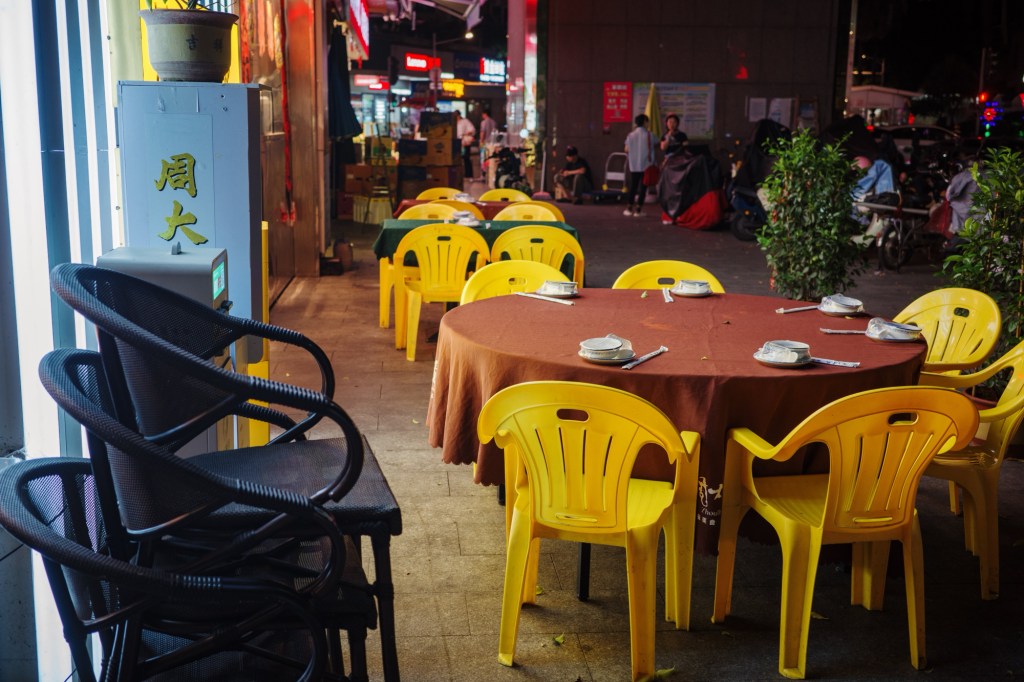
Continuing further south, I arrived at Jiangnan Xincun. Deep within the lanes of this aging residential neighborhood, a crop of bars and cafes had quietly sprouted up. Watching these cozy little spots light up one by one in the twilight, I couldn’t help but wonder: in an old district so heavily steeped in the traces of time, who exactly is paying for this refined ambiance?
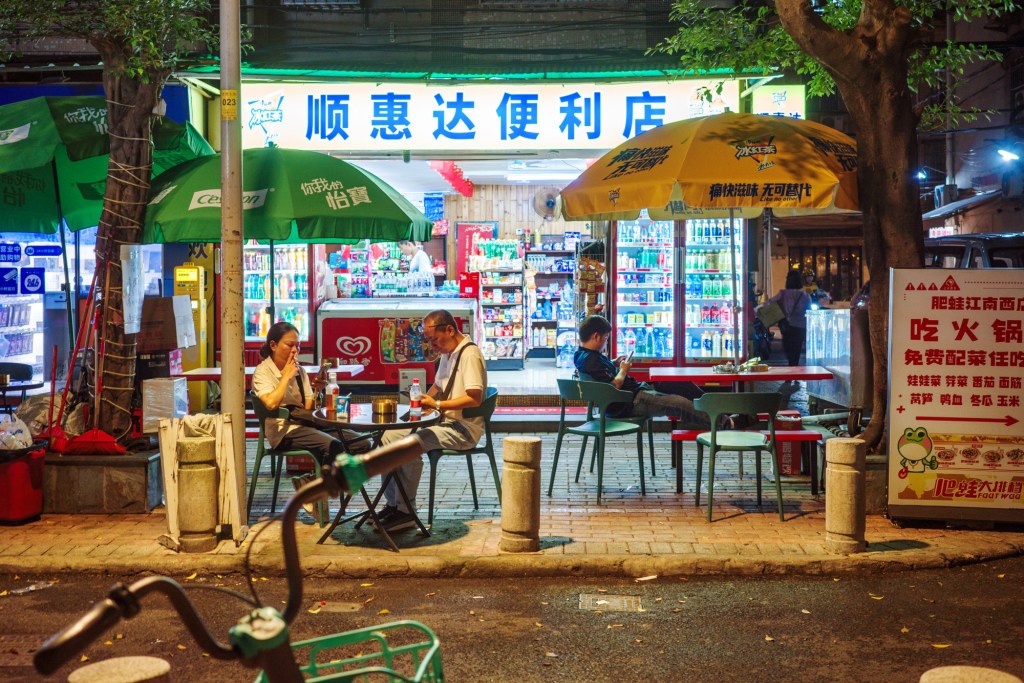
Wandering through streets woven from repurposed factories, urban villages, and bustling commercial hubs, Jiangnanxi stands as one of the most vibrant, living snapshots of a city transitioning between its past and present.